 iPhoneRoot.com

News from category ‘Hardware’
OmniVision Introduces 5 MP Sensor With 1080p Video Recording
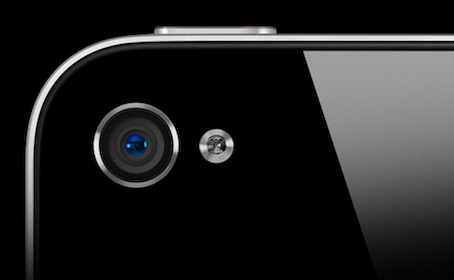
DigiTimes claimed that the new iPhone 4S would contain an 8 MP camera from OmniVision Technologies, and to some degree it makes sense. Sony’s CEO in April made a fleeting comment suggesting that it would be supplying Apple with an 8MP camera for the next iPhone.
OmniVision introduced a new 5MP image sensor, the OV5690, that was developed to produce the “best-in-class image quality” whilst being an effective solution for slimmer mobile devices such as smartphones and tablet computers by reducing the size of the camera module. With contradicting reports on whether the next iPhone will contain a 5 MP camera or an 8 MP camera, this new product certainly lends weight to the suggestion that it could have a 5 MP camera.
 Leave a comment
iPhone 4S To Go Into Production In August, Apple Reducing iPhone 4 Shipments

DigiTimes reports that the next generation iPhone, which they call the iPhone 4S, won’t have LTE capability and will go into production in August. LTE capability will likely make its way into the following (sixth generation) iPhone in 2012. A number of carriers, including three top Chinese telecommunication companies will be disappointed after expressing interest in selling an LTE capable iPhone.
With plans to begin production of the iPhone 4S in August, and nearly 2 million iPhone 4s in inventory according to sources, Apple has reportedly lowered its expected shipment volumes for the iPhone 4 (for Q2 2011) to 17.5-18 million units, a reduction of about 2 million units. Around 2 million are expected to be the CDMA version whilst around 16 million 3G models. Apple is however expecting shipments of iPad 2s to increase substantially from 7-8 million units to 10-10.5 million units in Q2, 2011.
Apple Proposes Standard To Make SIM Cards Smaller
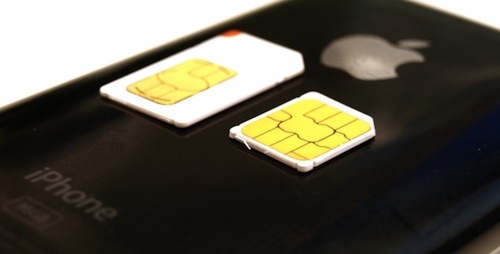
According to Reuters, an executive of Orange has confirmed the French carrier is backing Apple’s plans for a new standard to make SIM cards smaller in order to use them in future thinner mobile devices. The proposed standard aims at reducing the size of SIM cards, which are currently implemented as “micro” models in the iPhone 4 and iPad.
We were quite happy to see last week that Apple has submitted a new requirement to (European telecoms standards body) ETSI for a smaller SIM form factor — smaller than the one that goes in iPhone 4 and iPad,” said Anne Bouverot, Orange’s head of mobile services.
iPhone 5 Parts Confirm New Camera Flash Position
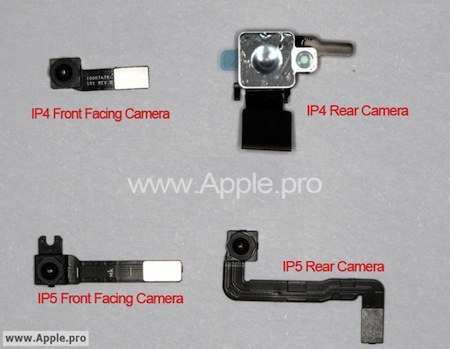
Yesterday we posted some portion of information about a case design for the “iPhone 5G” that seemed to suggest the next-generation device would relocate the rear-facing camera flash to opposite side of the lens, 9to5mac points to leaked iPhone 5 parts posted by well-sourced website Apple.Pro which indeed show a rear camera lens with no Flash attached. The alleged parts, posted alongside old iPhone 4 camera components, show a redesigned internal front-facing lens, as well as a different rear-facing module lacking the flash part found on the iPhone 4. While it’s impossible to tell any improvements on the cameras from these photos alone, Apple.pro does seem to confirm today’s “crystal case” for the iPhone 5 with a relocated camera flash on the back panel.
“iPhone 5G” Case Suggests Thinner Bezel, New Camera Flash Placement
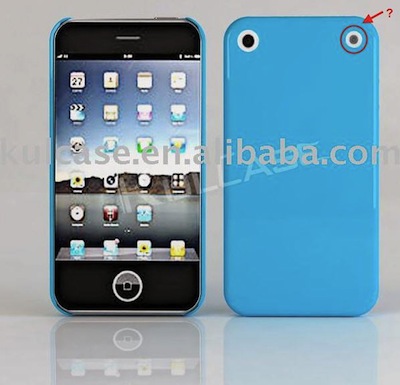
Alibaba.com started selling a new case for co-called “iPhone 5G” that suggests a new camera flash placement for the next generation iPhone, as well as a thinner bezel with an horizontal edge-to-edge display design. The case has a slot for the camera flash on the opposite side of the lens, which is rumored to receive an upgrade for the iPhone Apple will likely unveil in September. As far as theories about the larger display go, in April rumors claimed that Apple was working on a completely redesigned iPhone, a larger display, a new Home button, and worldphone capabilities.
Several rumors in the past months suggested Apple could release a redesigned iPhone 5 with a larger screen, NFC compatibility and a tweaked Home button design, but recently multiple sources and analysts close to “people familiar with Apple’s plans” seem to believe the next-generation iPhone will launch in September with a design similar to the iPhone 4, and upgrades to the CPU, RAM, and rear-facing camera lens.
iPhone 4S Coming with HSPA+, Minor Design Changes
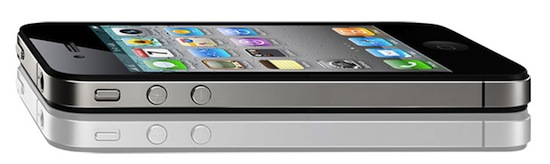
Jefferies analyst Peter Misek claiming that the next-generation iPhone will be called “iPhone 4S” and it will come with a dual-core A5 processor, and better cameras. Misek also seems to believe the iPhone 4S will indeed feature minor “cosmetic changes” and support for HSPA+ networks.
Because the 4G chips weren’t ready, Apple is going with the minor update to the iPhone 4. Misek also revealed the next version of the phone will work with Sprint, T-Mobile, and China Mobile.
Misek believes the iPhone 5 — which was rumored to have NFC, a bigger screen, 4G connectivity, or a thinner form factor, among other things — will look like an iPhone 4, only faster on the inside.
Samsung Announces 2560 x 1600 Display for Tablets

During SID Display Week 2011 International Symposium between May 17-19, Samsung will officially unveil and demonstrate the first 10.1-inch display with 2560 x 1600 pixel resolution specifically meant for tablets. The industry-first display will offer a “ultra-high resolution” using standard LCD technology. According to Samsung’s press release, the display also relies on the PenTile technology, which allows for 40% less power consumption and two-thirds number of subpixels.
New iMacs Can Only Use Apple’s Hard Drives
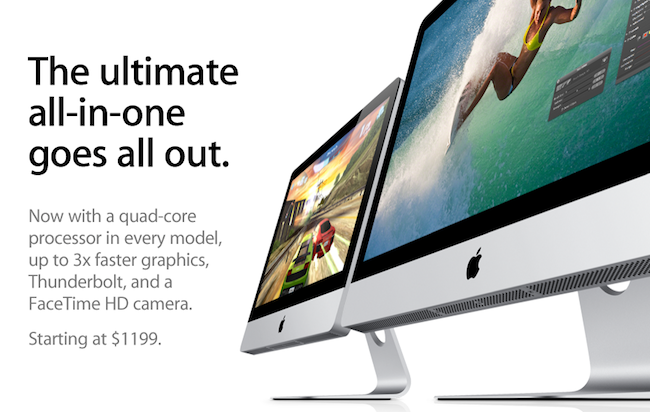
The new 2011 iMacs — the ones with Thunderbolt, Sandy Bridge processors and better graphics — don’t allow you to use any other hard drive but Apple’s custom ones, which are running a custom firmware to provide temperature monitoring through a new 7-pin SATA connector.
For the main 3.5″ SATA hard drive bay in the new 2011 machines, Apple has altered the SATA power connector itself from a standard 4-pin power configuration to a 7-pin configuration. Hard drive temperature control is regulated by a combination of this cable and Apple proprietary firmware on the hard drive itself. From our testing, we’ve found that removing this drive from the system, or even from that bay itself, causes the machine’s hard drive fans to spin at maximum speed and replacing the drive with any non-Apple original drive will result in the iMac failing the Apple Hardware Test (AHT).
The Incredible Vintage Gadgets That Inspired Apple’s Most Magical Products
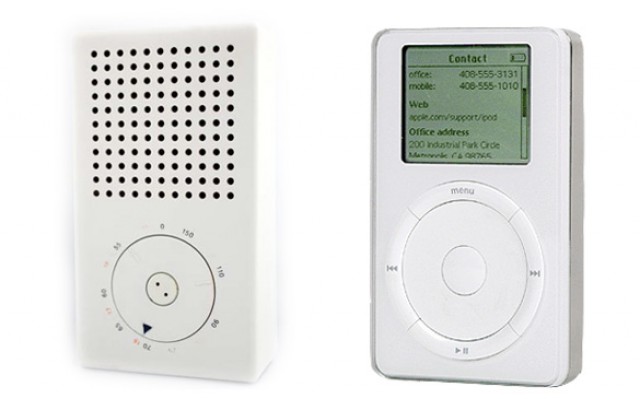
Bill Buxton, Microsoft Research scientist, has been collecting gadgets that influenced today’s technology. A large number of them seem to have directly inspired many of Apple’s most iconic products and innovations. For example, the Dieter Rahms-design transistor radio, which inspired the first four generations of the venerable iPod, upon the success of which Apple built almost all of its modern fortunes.
Component Supply Chain To Face Shortages In Coming Months After Japan Crisis

DigiTimes predicts that there will likely be component shortages in the next two months as a result of the Japanese earthquake and tsunami from earlier this year. In fact, many key players from Asus, HTC, Motorola and Apple have been aggressively acting to secure various components such as PCBs and glass touch panels.
Photo of Clipless Next-Gen iPod Nano with 1.3 MP Camera Surfaces

Taiwanese website Apple.pro posted a photo of what they claim to be a seventh generation iPod nano featuring a 1.3 megapixel rear camera. The photo again clearly shows the camera hole, although there is obviously no camera module included with the case. Interestingly, the new photo shows no clip attached to the rear of the case, with the Apple logo appearing directly on the case itself. Today’s photo seems to confirm previous speculation that, in order to make room for the camera, Apple would have to ditch the clip entirely, although it doesn’t make much sense considering Apple has been heavily touting the iPod nano as a sport accessory that can be worn on the outside of the user's clothing for quick access to device functions.
Light Leakage Issues with LG Displays Caused iPad Shortages Last Quarter
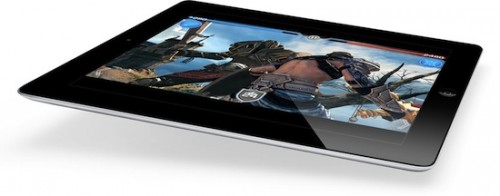
Apple reported surprisingly low iPad shipments of only 4.69 million units for the first quarter. DigiTimes reports that the last quarter iPad 2 shortages were caused by production issues with displays and built-in speaker of the device. LG Display was one of the primary sources of iPad supply issues, experiencing problems with light leakage on displays produced by its manufacturing lines that scaled back shipments. The issue is said to have been resolved.
. . .Samsung Electronics shipped a total of four million 9.7-inch panels for iPads in the first quarter, outpacing rival LG Display (LGD) as the largest tablet PC panel supplier for Apple, the sources indicated. LGD's iPad panel shipments reached only 3.2 million units in the first quarter.
LGD was forced to reduce its shipments in the first quarter due to light leakage problem for panels produced at its 6G production lines. The company reportedly has fixed the problem and will resume shipment momentum to Apple in the second quarter, said the sources.
The new iMac does 450 Mb/s WiFi
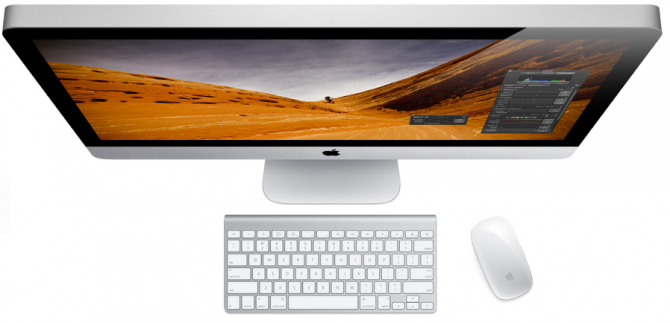
HardMac reports that that the latest iMac family released this week support up to 450 Mbit/sec Wi-Fi. Apple first brought the 450Mbps WiFi features in the 2011 MacBook Pro family, but they haven’t been actively advertising it. Apple changed their Airport card and also installed 3 antennas (instead of 2 before), something indispensable to be able simultaneously to use 3 channels of 150 Mbits/s. Each antenna is capable of a data rate of 150 Mbit/sec. Combined, the three antennas achieve the 450 Mbit/sec speeds using the multiple-input/multiple-output (MIMO) wireless standard.
As noted by AppleInsider, the newest iMacs and MacBook Pros must be running a developer build of Lion to take advantage of the 450 Mbit/sec speeds. And MacRumors notes that in order to actually take advantage of the 450 Mbit/sec speed, you'll need to have a compatible wireless router, such as the latest AirPort Extreme or TimeCapsule.
Apple Seeking New Vendor for Improved iPhone Ambient Light Sensor

A new report from DigiTimes claims that Apple is in discussions with two Taiwan-based integrated circuit design firms, Integrated Memory Logic (iML) and Capella Microsystems, for sourcing of components for the company's iOS devices. Capella is said to have already delivered new ambient light sensors to Apple for testing and verification. The ambient light sensor is used in mobile devices, in conjunction with software, to determine the automatic screen brightness and optimal settings depending on external light conditions. Apple intends to implement these sensors in the next-generation iPhone, set to be announced in September.
First iMacs 2011 Benchmarks
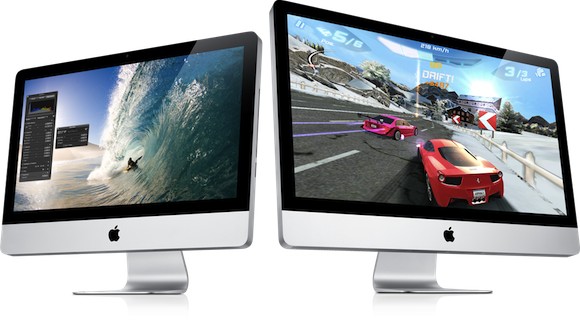
The first iMac 2011 benchmarks already appeared on Geekbench’s website, revealing good performances for the new machines with results sometimes (depending on the model) above 2010 Mac Pros and early-2011 MacBook Pros.